Shelf Appeal, No Studio Required: How Wave Edits Are Changing the E-Commerce Game

Photo by Photo by Bernd 📷 Dittrich on Unsplash on Unsplash
Walk into any big-box retailer's corporate photography studio and you'll find tens of thousands of dollars worth of lighting rigs, backdrops, and camera equipment — all dedicated to making products look their absolute best. For the solo Etsy seller photographing handmade earrings on her kitchen table in Columbus, Ohio, that kind of setup isn't just out of reach. It's a completely different universe.
But something interesting is happening in the small e-commerce space right now. Sellers who can't afford professional photographers are finding that creative wave effects and artistic photo edits aren't just a workaround — they're actually a competitive advantage. And buyers seem to agree.
The Problem With "Good Enough" Product Photos
Here's the reality of selling on platforms like Etsy, Shopify, or even Instagram Shops: you're competing for eyeballs in an incredibly crowded feed. A clean, well-lit photo of a soy candle is fine. But scroll through any popular home goods category and you'll see dozens of nearly identical clean, well-lit photos of soy candles. Standing out requires something more intentional.
That's the gap wave effects are filling. Rather than trying to mimic the sterile perfection of corporate product photography — and usually falling just a little short — small sellers are leaning into creative edits that make their listings feel like art. The product becomes part of a visual story instead of just a thing on a white background.
Marcella Torres, who sells hand-thrown ceramic mugs through her Etsy shop out of Tucson, Arizona, noticed the shift in her own engagement almost immediately after she started experimenting with wave-distortion overlays on her product images. "I went from maybe twelve saves on a listing to over two hundred in the same week," she told us. "Same mug. Same photo setup. Different edit."
Which Effects Work for Which Products
Not every wave edit is right for every product category, and sellers who've cracked the code tend to be pretty strategic about it. Here's a breakdown of what's working across different niches:
Handmade jewelry and accessories: Ripple-light effects that mimic the look of sunlight through water work exceptionally well here. They add a sense of luxury and movement to pieces that might otherwise look flat in a standard overhead shot. Gold and silver tones catch the distortion beautifully, and the result feels high-end without a single studio light involved.
Candles, skincare, and wellness products: Soft, slow-wave gradients that create an almost meditative visual rhythm are a natural fit. These edits reinforce the mood a buyer is already looking for — calm, intentional, a little indulgent. Several sellers in the bath and body space have started applying subtle iridescent wave overlays that make product images look like they belong in a spa catalog.
Art prints and home décor: This is where bolder, more graphic wave effects can really shine. High-contrast distortion edits give product listings a gallery-worthy feel, and buyers shopping for wall art are already primed to appreciate something that looks visually considered.
Clothing and wearables: This one takes a little more finesse. Heavy wave distortion can obscure important details like texture and fit, so successful sellers in this space tend to use wave effects as background elements rather than applying them directly to the garment. A rippling color wash behind a flat-lay photo can create visual energy without sacrificing clarity.
The "Handcrafted" Visual Identity
There's a psychological dimension to this trend that's worth paying attention to. When a buyer lands on a product listing that uses a creative, slightly imperfect wave edit, it signals something about the seller behind it. It says: this person made intentional creative choices. That's a powerful subconscious cue in a marketplace built around handmade and artisan goods.
Devin Park, who runs a small stationery business out of Portland, Oregon, puts it this way: "My customers are already buying from me because they want something that feels human. If my photos look too polished and corporate, it actually works against me. The wave edits I use have this handcrafted energy that fits my brand way better than a clean white-background shot ever did."
This alignment between product identity and visual presentation is something bigger brands spend enormous amounts of money trying to achieve. Small sellers are stumbling into it organically.
Tools and Workflow
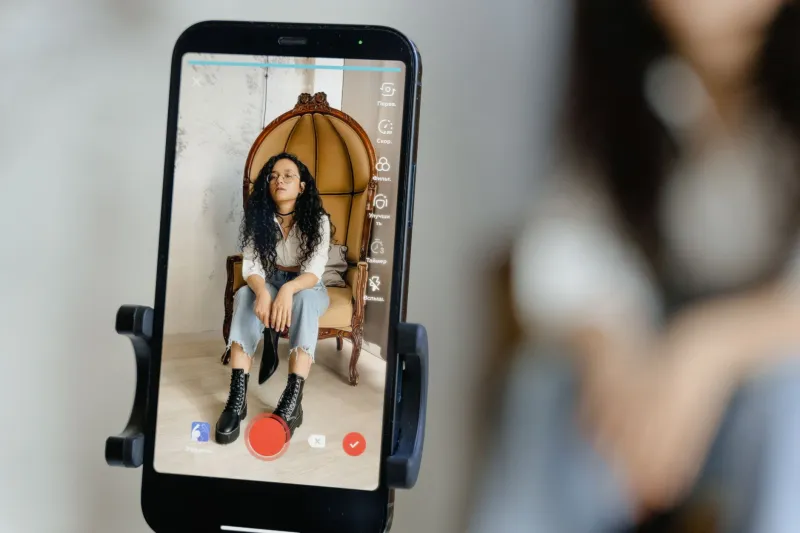
Most sellers using wave effects aren't working with complex desktop software. The majority are editing on their phones using apps that offer wave, ripple, and distortion filters as part of a broader creative toolkit — then refining with a few manual adjustments to brightness and saturation before exporting. The whole process, once they've found their signature style, often takes less than ten minutes per image.
The key, experienced sellers say, is consistency. Picking one or two wave effect styles and applying them across an entire shop creates a cohesive visual identity that makes a storefront look professionally curated even when the photos were taken on a phone.
The ROI Is Real
The anecdotal evidence from sellers is increasingly backed up by what platform data suggests: listings with visually distinctive, high-engagement thumbnail images consistently outperform those with standard product shots in click-through rates. When your wave edit makes someone stop scrolling, even for half a second, you've already won the hardest part of the battle.
For small businesses operating on razor-thin margins, that kind of edge — achieved with a phone and a creative eye rather than a studio budget — isn't just convenient. It's genuinely transformative. Wave effects aren't a shortcut to great product photography. For a growing number of sellers, they're the destination.