No Studio, No Problem: How Micro-Influencers Are Turning Wave Edits Into Personal Empires
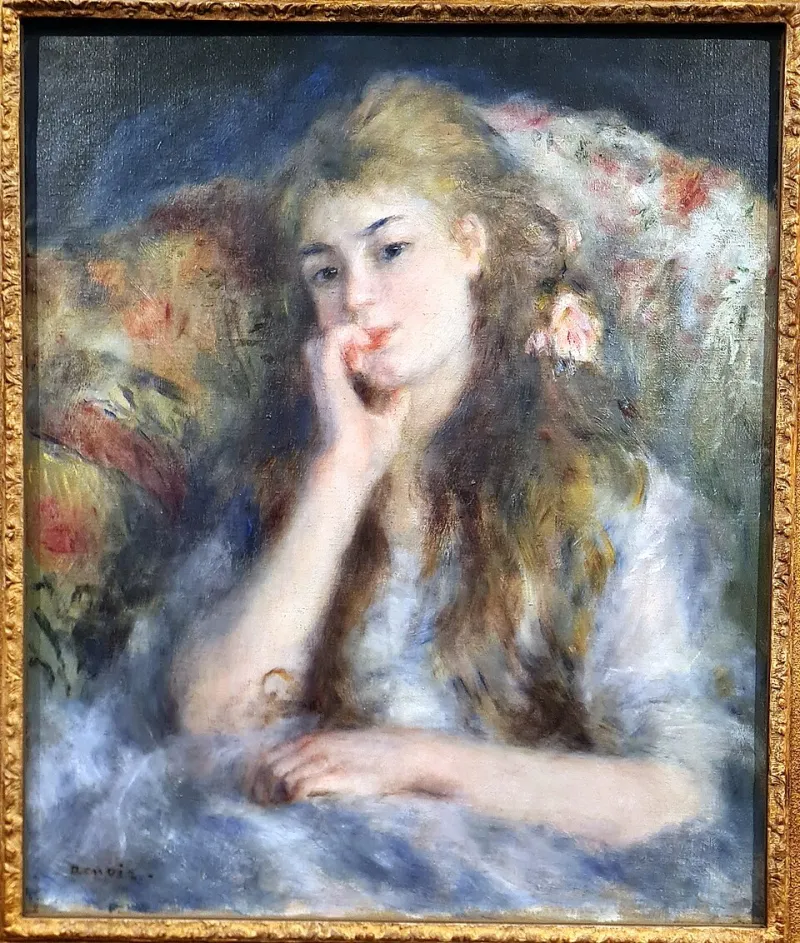
Photo: Derbrauni, CC BY 4.0, via Wikimedia Commons
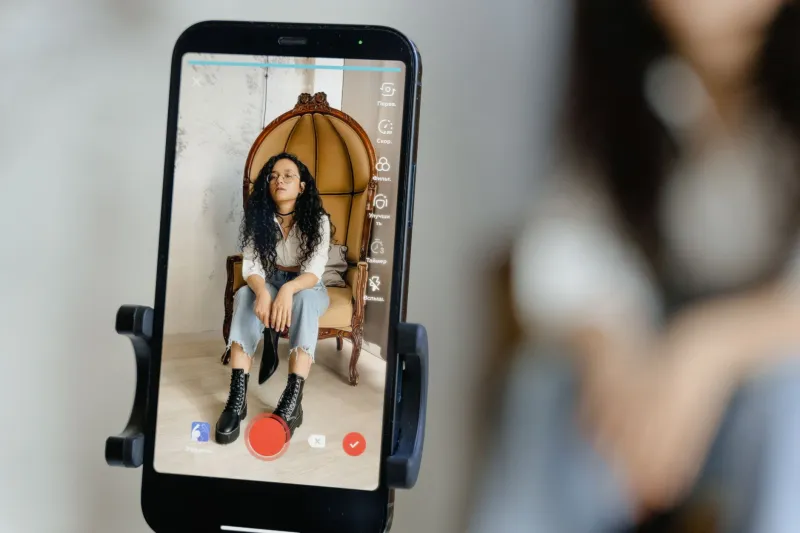
Forget the ring lights and the six-figure production budgets. A new wave of content creators is building loyal audiences and real income streams using nothing but a smartphone and the right set of visual effects. Wave edits, once considered a niche aesthetic, are quietly becoming the secret handshake of the DIY creator economy.
The Bathroom Mirror Is the New Creative Studio
There's something almost rebellious about it. While legacy influencers are booking photographers and renting Airbnbs with good natural light, a scrappy cohort of micro-influencers — typically defined as creators with between 1,000 and 100,000 followers — are shooting content in their apartments, their cars, and yes, their bathroom mirrors. And they're winning.
The difference isn't the location. It's the edit.
Take Dani Reyes, a 24-year-old lifestyle creator based in Phoenix, Arizona, who grew her Instagram from 3,200 to nearly 47,000 followers over 18 months without ever hiring a photographer. Her workflow is deceptively simple: shoot on her iPhone, apply a layered wave distortion effect to her transition shots, and keep the color palette tight. "People always ask me what camera I use," she laughs. "I tell them it's the same one they have in their pocket. The edit is where the magic happens."
Dani isn't an outlier. She's part of a broader creative shift that's quietly disrupting the influencer hierarchy — one ripple at a time.
Why Wave Effects Work for Personal Branding
Visual identity is the backbone of any personal brand. Audiences need to recognize your content in a fraction of a second as they scroll. For years, that meant investing in a consistent color grade or a signature shooting style — things that often required professional tools or professional people.
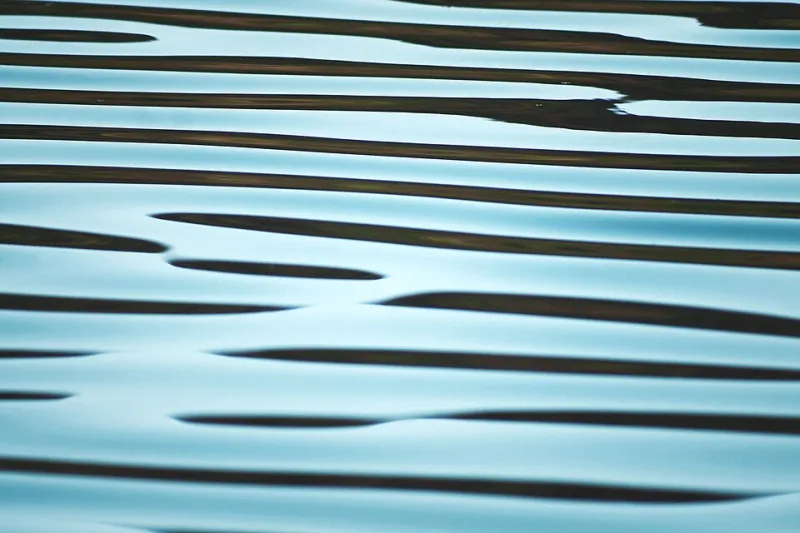
Wave effects change the math. They're immediately eye-catching, they carry an emotional tone (fluid, dynamic, a little dreamy), and they're versatile enough to work across niches — fashion, fitness, food, travel, you name it. More importantly, they're accessible. Platforms and apps have made these effects available to anyone willing to spend twenty minutes learning how to apply them.
Marcus Chen, a fitness micro-influencer from Chicago with around 28,000 YouTube Shorts subscribers, started using wave-style transitions six months ago and noticed an immediate uptick in watch time. "It's not gimmicky if it fits your vibe," he explains. "My content is about movement and energy. A wave edit just feels right. It makes the cut between clips feel like part of the workout."
That alignment between aesthetic and identity is exactly what separates creators who grow from those who plateau.
Breaking Down the DIY Editing Workflow
So what does a micro-influencer wave editing workflow actually look like in practice? We talked to several creators to piece together the common threads.
Step one: shoot with intention. Most successful micro-influencers shooting for a wave aesthetic think about their footage in terms of movement. Pans, close-ups with natural motion, and shots near water or reflective surfaces all tend to respond well to wave filters.
Step two: choose your effect layer. Apps like WaveMyPic let creators apply wave distortions at varying intensities — subtle ripples for a more editorial look, heavier undulations for something more dramatic and surreal. The key, most creators agree, is restraint. "Less is more until you really know what you're doing," says Jess Harmon, a travel creator from Portland, Oregon. "I used to crank everything up and it looked chaotic. Now I barely touch the intensity slider and somehow it hits harder."
Step three: maintain consistency. The creators who build recognizable brands don't just apply a wave effect once and call it a day. They develop a signature look — a specific combination of filter intensity, color temperature, and transition style — and they stick to it. Consistency is what makes a feed feel like a world people want to live in.
Step four: share and iterate. The beauty of the DIY creator economy is the feedback loop. Post, watch what performs, adjust, repeat. Wave edits are particularly good for this because they're easy to dial up or down based on audience response.
Authenticity as the Real Competitive Edge
Here's what the big-budget influencer world is slowly waking up to: audiences are increasingly skeptical of polished perfection. There's a reason "de-influencing" became a whole content genre. People are tired of aspirational content that feels staged and unattainable.
Micro-influencers, by contrast, tend to feel real. And when a real person posts a visually stunning wave-edited photo from their actual apartment or their actual neighborhood? It hits differently than something shot in a rented mansion.
"People DM me all the time saying my feed makes them feel like they could do this too," says Dani. "And they can. That's the whole point."
The wave effect, in a weird way, is a visual metaphor for exactly that energy — something organic, something in motion, something that didn't start from a still and perfect place but became beautiful anyway.
The Bigger Picture: Democratization of Visual Culture
What's happening in the micro-influencer space is part of a larger cultural story about who gets to make professional-quality visual content. For most of photography and media history, the answer was: people with money, gear, or connections. That's changing fast.
Wave effects and creative filters are a small but meaningful part of that shift. They give everyday creators a tool that used to require motion graphics software and professional post-production knowledge. Now it's three taps on a phone.
For brands paying attention, this matters. Micro-influencers with authentic visual identities — even ones built on a bathroom mirror and a wave filter — often drive higher engagement rates than macro-influencers with ten times the following. The audience trust is real, and it translates.
So the next time you scroll past a gorgeous, slightly surreal, wave-distorted image and think "how did they make that?" — the answer is probably simpler than you think. And the person behind it is probably just getting started.