Curb Appeal Goes Digital: How Wave Edits Are Helping Agents Sell Homes Faster
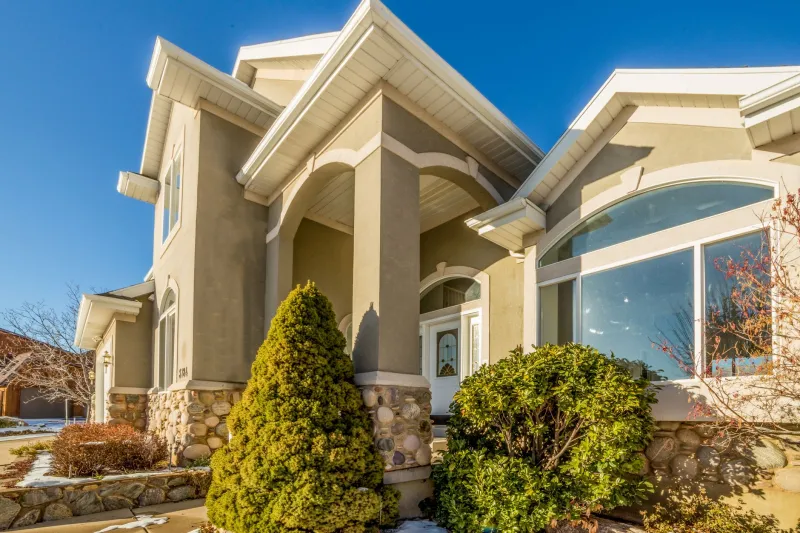
There's an old saying in real estate: location, location, location. But in 2024, you could make a pretty solid argument for a new mantra — photo, photo, photo.
The average homebuyer spends less than 20 seconds deciding whether to click into a listing or keep scrolling. That's not a lot of runway. And if your listing photo looks like it was taken on a flip phone by someone who'd rather be anywhere else, you've already lost the battle before a single open house gets scheduled.
A growing number of agents across the country are waking up to this reality — and they're turning to wave effects and creative photo editing to make their listings impossible to ignore.
The Problem With Plain
Walk through any major real estate platform — Zillow, Redfin, Realtor.com — and you'll notice something pretty fast: most listing photos look almost identical. Flat lighting, muted tones, the same wide-angle shot of a living room with a beige couch. It's a sea of sameness.
That's actually a huge opportunity for anyone willing to do something a little different.
"I listed a three-bedroom in Phoenix last spring with standard photos first, just to test," says Marcus Delray, an independent agent based in Scottsdale. "After two weeks, I had decent traffic but zero offers. I reshot the exterior and applied some wave-style gradient edits to the hero image. Within four days, I had two showing requests and an offer."
Delray isn't alone. Agents in competitive markets from Miami to Seattle are reporting similar results after experimenting with edited listing imagery that incorporates flowing color gradients, light distortion effects, and dynamic ripple overlays — the kind of visual energy that stops a thumb mid-scroll.
Why Your Brain Clicks on the Wavy One
This isn't just anecdotal. There's legitimate psychology behind why edited, visually dynamic images perform better in digital environments.
Our brains are wired to notice movement and pattern disruption. In a static grid of thumbnail photos, an image with a subtle wave effect or flowing color treatment reads as different — and different means our visual cortex flags it as worth a second look. It's the same reason a bright red storefront stands out on a block of gray buildings.
Researchers studying digital attention patterns have found that images with high visual contrast and non-uniform compositions hold viewer attention significantly longer than symmetrical, evenly lit shots. In a world where listing platforms are essentially visual marketplaces, holding attention — even for an extra five seconds — can be the difference between a click and a pass.
Wave aesthetics tap directly into this. The gentle distortion of a ripple overlay, the way a gradient wash can make an ordinary kitchen feel almost cinematic — these aren't just pretty tricks. They're strategic visual cues that signal "this property is worth your time."
What Agents Are Actually Doing
So what does wave-style real estate editing actually look like in practice? It's less extreme than you might think.
The most effective approaches tend to be subtle. Think a soft luminance wave across an exterior twilight shot that makes the sky feel more dramatic. Or a gentle color ripple applied to a pool or water feature photo that enhances the natural movement already present in the scene. Some agents are using flowing gradient overlays on hero images to create a mood — coastal calm for a beach property, warm amber tones with a slight shimmer for a mountain cabin listing.
Jennifer Okafor, a luxury agent in Miami's Brickell neighborhood, has made edited imagery a core part of her brand. "My listings have a look," she says. "When people see that signature wave treatment on an exterior shot, they associate it with quality. It's become part of how I market myself, not just the property."
Okafor reports that her listings average 40% more saves on Zillow compared to comparable properties in the same zip code — a metric she attributes directly to visual differentiation.
The FSBO Angle: Selling Your Own Home? Read This
You don't have to be a licensed agent with a professional photographer on speed dial to benefit from this approach. If you're selling your home independently — the FSBO (For Sale By Owner) route — creative photo editing might be your single biggest competitive advantage.
Here's a straightforward game plan:
Start with the best natural light you can get. Golden hour — the hour after sunrise or before sunset — gives your exterior shots a warmth that no filter can fully replicate. Work with what nature gives you before you start editing.
Pick one or two hero shots for wave treatment. You don't need to apply effects to every photo in your listing. Focus on the exterior front shot and maybe one dramatic interior — the kitchen or primary bedroom tend to perform best. Apply a subtle wave or gradient overlay that enhances the mood without looking obviously edited.
Match the effect to the vibe of the property. A beachy Florida bungalow can handle a more fluid, rippling treatment. A modern urban loft in Chicago might call for something sleeker — a cool-toned luminance wave rather than a warm, flowing gradient. The edit should feel like it belongs to the space.
Don't overdo it. This is the cardinal rule. Wave effects in real estate work because they're understated. If someone looks at your listing photo and thinks "that's heavily edited," you've gone too far. The goal is to make them think "wow, that's a beautiful home" — and the edit is just quietly doing the work behind the scenes.
The Bigger Shift Happening Right Now
What's happening in real estate photography is part of a much broader cultural moment. Across industries — e-commerce, travel, food, fitness — visual content is getting more intentional, more edited, and more stylized. Audiences have developed sophisticated visual taste, partly because they're consuming so much edited content on platforms like Instagram and TikTok.
Real estate was one of the last holdouts, largely because the industry skewed traditional and agents were often skeptical of anything that felt too "artistic" for a practical transaction like buying a house. That resistance is crumbling fast.
"Buyers are used to seeing beautiful, edited images everywhere they look online," says Delray. "When they hit a listing with flat, unedited photos, it almost reads as a red flag — like the seller isn't putting in effort. The photo is the first impression of how seriously someone is taking the sale."
That shift in buyer psychology is what's really driving adoption. It's not just that wave edits look cool. It's that in a competitive digital marketplace, they signal care, professionalism, and pride of ownership — all things that make a buyer feel better about clicking "schedule a tour."
The wave isn't coming to real estate marketing. It's already here. The agents riding it are closing faster, and the ones still shooting on auto mode are starting to wonder why their open houses feel so quiet.