Preset, Profit, Repeat: Inside the Niche Communities Cashing In on Signature Wave Styles
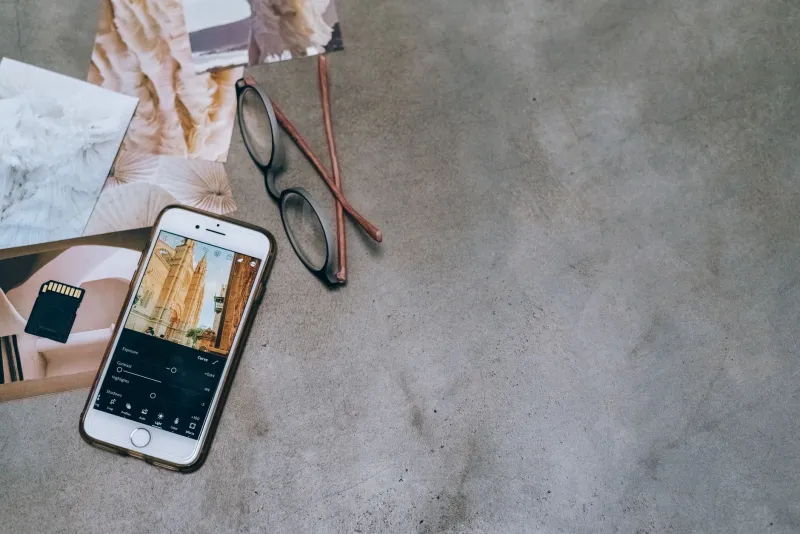
It started, like most things do, with a single post that blew up for no obvious reason. A graphic designer in Portland named Marcus uploaded a set of edited concert photos to his Instagram — moody, glitchy, drenched in that electric-blue cyberpunk ripple effect he'd been perfecting for months. Within 48 hours, his DMs were flooded. Not with compliments, exactly. With questions. What preset is that? Can I buy it? Do you take commissions?
He did not, at the time, take commissions. He does now. And business is good.
Marcus is part of a quietly booming corner of the creator economy — one that doesn't get nearly as much press as the mega-influencers or the AI art discourse, but is producing some of the most sustainable, community-driven income streams in the photo editing world. We're talking about niche wave aesthetic communities: tight-knit groups of creators who've built identifiable, replicable visual styles around specific types of wave and ripple effects, and then turned those styles into actual businesses.
The Aesthetic Is the Product
To understand why this works, you have to understand how differently niche communities relate to visual style compared to the broader social media audience. For most casual users, a cool filter is just a cool filter. But inside communities dedicated to, say, vintage water distortion edits or ultra-minimal single-ripple compositions, aesthetic preferences run deep. People aren't just fans of a look — they're practitioners. They want to recreate it, refine it, and make it their own.
That distinction turns consumers into customers in a very direct way. When someone in a cyberpunk photography Discord server sees a preset pack that perfectly nails the neon-soaked, glitchy wave distortion they've been chasing, they're not casually browsing. They're solving a problem they care about intensely. Conversion rates in these micro-markets can be surprisingly high for that exact reason.
Etsy has become one of the primary storefronts for this kind of product. Search "wave effect presets" or "ripple photo filters" on the platform and you'll find dozens of small shops doing consistent volume — not viral numbers, but steady, loyal repeat customers. Sellers in this space report that their buyers often return for updated preset packs, tutorial add-ons, or custom edit requests. The niche creates retention almost automatically.
Patreon and the Subscription Model for Aesthetics
Beyond one-time digital product sales, some creators have taken the subscription route through Patreon, and the results have been genuinely interesting. The model works especially well for creators whose style evolves — monthly subscribers get access to new preset drops, behind-the-scenes breakdowns of editing decisions, and early access to experimental techniques.
Take the case of a creator who goes by Wren Solaris online, based out of Austin, Texas, who built a Patreon around what she calls "slow wave" editing — a minimalist approach that uses subtle, almost imperceptible ripple effects to give photos a dreamlike quality without any of the high-contrast drama associated with most wave aesthetics. Her community is small by influencer standards (around 1,200 Patreon subscribers), but her monthly revenue is consistent and her churn rate is low.
"The people who find my work really find it," she explained in a recent community Q&A. "They're not here because an algorithm pushed me to them. They went looking for something specific and landed on what I do. That means they stick around."
This kind of intentional discovery — as opposed to algorithmic stumbling — is a defining feature of niche wave communities. Members often find each other through Reddit threads, niche Facebook groups, or specific hashtag rabbit holes. The audience self-selects for genuine interest, which makes monetization significantly more straightforward.
Commissioned Edits: The High-Touch Revenue Stream
Presets and tutorials are scalable. Commissioned edits are not — but that's kind of the point. Several creators in these communities have built premium-tier income by offering custom wave edits for clients who want a specific aesthetic applied to their own photos.
The clientele ranges widely. Small business owners who want product photography with a distinctive visual identity. Wedding photographers looking to offer a unique editing style as an add-on. Musicians who want press photos that match their sonic brand. In each case, the creator's niche aesthetic is the selling point — not generic competence, but a very specific visual language that the client can't easily replicate themselves.
Rates for commissioned edits in this space typically run anywhere from $50 to several hundred dollars per project, depending on complexity and the creator's reputation within their community. It's not passive income, but for creators who genuinely love the editing process, it's a way to get paid well for doing exactly what they'd be doing anyway.
The Community-as-Moat Advantage
Here's the part that doesn't get talked about enough: in these niche wave markets, the community itself is a competitive advantage. When a creator builds a genuine following around a specific aesthetic — not just followers, but an engaged group of practitioners who share work, give feedback, and evangelize the style to new audiences — they create something that's genuinely difficult for a competitor to replicate overnight.
A newcomer can copy a preset. They can't copy two years of community trust, inside jokes, collaborative challenges, and the kind of creative shorthand that develops when a group of people spend a lot of time thinking about the same narrow thing together. The aesthetic becomes inseparable from the community, and the community becomes inseparable from the creator at the center of it.
This is why some of the most successful wave aesthetic entrepreneurs are deliberately slow about scaling. They're not trying to go viral. They're building something defensible — a recognizable style, a loyal audience, and a business model that doesn't depend on any single platform's algorithm being kind to them this week.
What's Actually Selling Right Now
If you're curious about where the demand is concentrated, a few styles are generating consistent commercial interest in 2024. Cyberpunk and glitch-wave edits remain strong, particularly among gaming and music communities. Vintage water distortion — that washed-out, analog-era look that makes digital photos feel like they were shot through a rippled glass window — has a dedicated and growing buyer base. And on the quieter end of the spectrum, minimalist ripple aesthetics are finding an audience among lifestyle and wellness brands looking for something visually distinctive without being visually loud.
The common thread across all of them? Specificity. The more clearly defined the aesthetic, the more clearly defined the potential customer. Vague is hard to sell. A very particular visual obsession, executed with genuine skill and surrounded by a community of people who share it? That turns out to be a pretty solid foundation for a business.
Marcus, back in Portland, is proof of that. He's got a preset shop, a growing tutorial library, and a commission waitlist that runs about six weeks out. He didn't set out to build a business. He set out to perfect a wave edit he couldn't stop thinking about.
Turns out those are sometimes the same thing.