The Calm in the Edit: How Applying Wave Effects Is Quietly Becoming a Form of Digital Self-Care
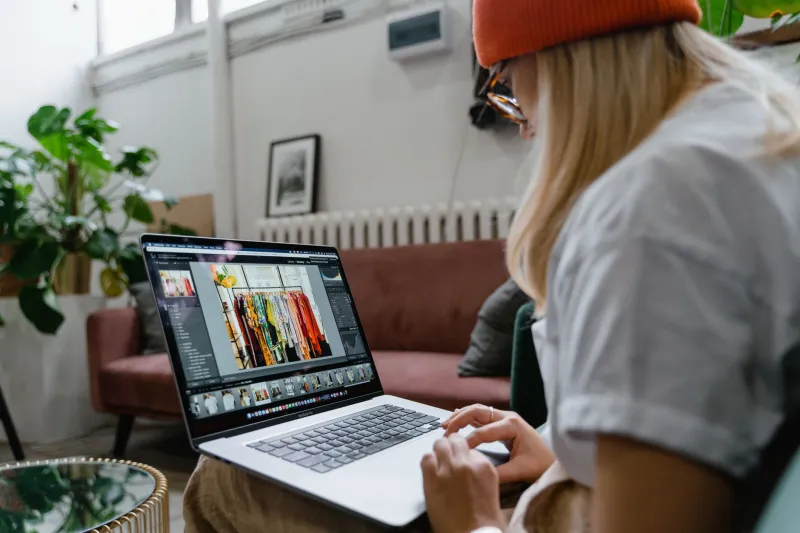
Most people crack open a photo editing app because they want a killer post. Better lighting, a mood that pops, something scroll-stopping. But for a quieter, growing corner of the internet, the why behind editing has shifted in a pretty unexpected direction. It's not about the likes anymore. It's about the process.
Users across the country are discovering that sitting down with a photo — dragging a wave slider, watching ripples bloom across an image, tweaking the intensity until it feels just right — is doing something for their nervous system that a meditation app never quite managed. And the mental health community is starting to pay attention.
Scrolling vs. Creating: A Tale of Two Brain States
Here's the thing most of us already know but rarely stop to think about: mindlessly scrolling social media and intentionally making something are two completely different experiences for your brain. Passive consumption — the endless feed, the comparison spiral, the dopamine drip of new content — tends to crank anxiety up. Active creation does the opposite.
Dr. Priya Mehta, a licensed therapist based in Austin, Texas, who specializes in digital wellness, puts it plainly: "When we engage in a repetitive, low-stakes creative task, we activate what's sometimes called the brain's default mode network in a healthy way. It's similar to what happens during coloring, knitting, or even doodling. The hands are busy, the outcome is non-threatening, and the mind gets a rare chance to settle."
Wave editing, it turns out, checks a lot of those boxes. The motion is rhythmic. The adjustments are gradual. There's no wrong answer. And unlike posting a photo — which immediately invites judgment — the editing phase exists in a kind of protected creative bubble.
"I Didn't Realize I Was Meditating"
Talk to regular WaveMyPic users about their editing habits and a pattern starts to emerge. Many of them stumbled into the calming side of wave editing completely by accident.
Jordan, a 26-year-old graphic design student from Portland, Oregon, describes it this way: "I started editing photos late at night because I couldn't sleep. I'd just pick a random picture — didn't even have to be a good one — and start playing with the wave filters. Before I knew it, an hour had passed and I actually felt... relaxed? It sounds weird but it became my wind-down routine."
Similar stories pop up again and again. A nurse in Chicago who edits photos on her lunch break to decompress between shifts. A college sophomore in Atlanta who says wave editing is the only thing that quiets her racing thoughts before exams. A stay-at-home dad in Phoenix who started editing old family photos with wave effects as a hobby and ended up calling it "the most peaceful part of my day."
None of them set out to find a mental health tool. They just found one anyway.
Why Wave Effects Specifically?
Not all creative tasks hit the same way, and there's something worth exploring about why wave effects in particular seem to resonate with anxious users. Part of it might be the visual language itself.
Waves, as a concept, carry a lot of cultural weight around calm. Ocean sounds are a sleep aid staple. Water imagery dominates meditation apps. There's a reason "go with the flow" is one of the most enduring metaphors for releasing stress. When you're literally dragging a ripple across a photo of your backyard or your morning coffee, you're engaging with that visual vocabulary in a hands-on way.
Dr. Mehta suggests there's something to that. "Visual metaphors can be surprisingly powerful anchors for emotional states. If the imagery you're working with is inherently associated with calm — movement, water, flow — the act of creating with it can reinforce those associations in real time."
There's also the element of control. Anxiety, at its core, is often about feeling like things are out of your hands. Editing gives that back. You decide how much the wave curves. You pick the intensity. You can undo anything. In a world that frequently feels chaotic and unpredictable, that low-stakes sense of agency matters more than people realize.
The Anti-Scroll Movement
This trend doesn't exist in a vacuum. It's part of a broader cultural pushback against the passive, numbing quality of heavy social media use. Americans, particularly younger ones, are increasingly aware of how their digital habits affect their mental health — and they're looking for ways to stay online without feeling wrecked by it.
Wave editing offers an interesting middle path. You're still in the digital space. You're still connected to a platform and a community. But you're doing something rather than just absorbing. That distinction, therapists say, makes a meaningful difference.
"We talk a lot about screen time like it's a monolith," says Dr. Mehta, "but two hours of scrolling and two hours of intentional creative work on a screen are completely different experiences. One depletes, one restores. Helping people identify which is which is a big part of digital wellness work right now."
Building a Practice Around the Edit
For people who want to lean into this more intentionally, a few patterns seem to make the experience more grounding. Setting aside dedicated editing time — rather than reaching for the app reactively — helps create a ritual feel. Choosing photos with personal meaning, rather than just random snaps, deepens the engagement. And resisting the urge to immediately post the finished image lets the creative act stay separate from the performance of social media.
Jordan has developed her own version of this. "I keep a folder of photos I've edited just for myself. They'll never get posted. It's like a private art journal, except the medium is wave effects. There's something really freeing about making something that's only ever for you."
That idea — creating without an audience — runs counter to almost everything social media is built around. But maybe that's exactly the point.
Riding Your Own Wave
The mental health conversation around social media tends to focus almost entirely on consumption: how much we scroll, what we see, how it makes us feel. The idea that the tools inside a platform could themselves become a source of relief is a genuinely new wrinkle — and one that feels worth taking seriously.
Wave editing won't replace therapy. It won't fix a clinical anxiety disorder or substitute for real rest. But as a small, accessible, daily practice for managing the low-grade digital overwhelm that so many Americans carry around? It might be doing more good than anyone expected.
Sometimes the most therapeutic thing you can do is just make something beautiful, watch the ripples spread across a photo you love, and let your brain breathe for a minute.
Turns out, riding the wave isn't just a metaphor.