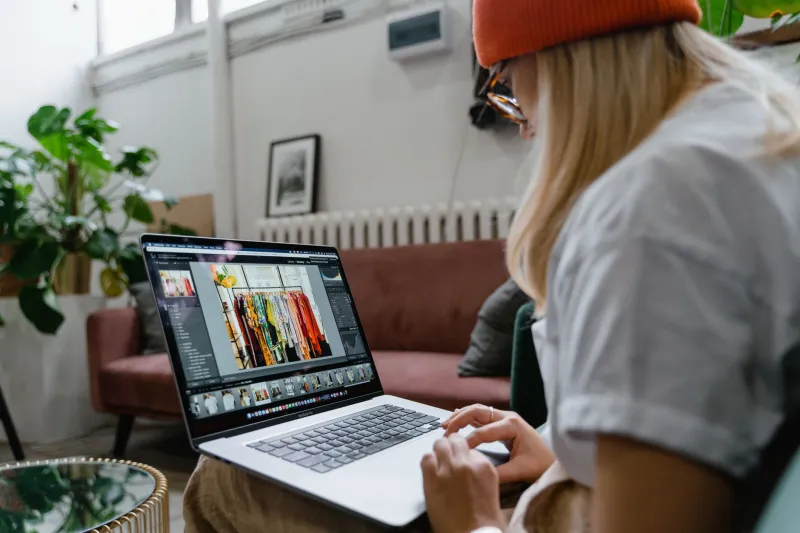
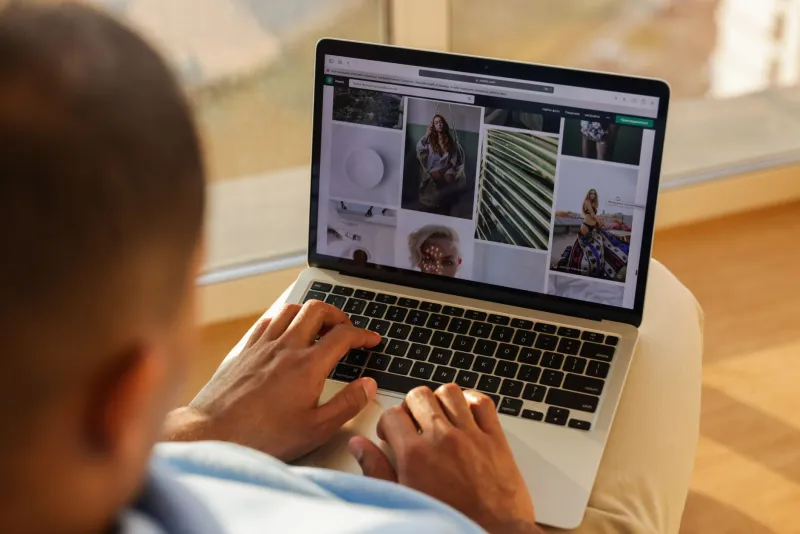
Same Filter, Different Time Zone: How Long-Distance Couples Are Using Co-Editing to Stay Connected
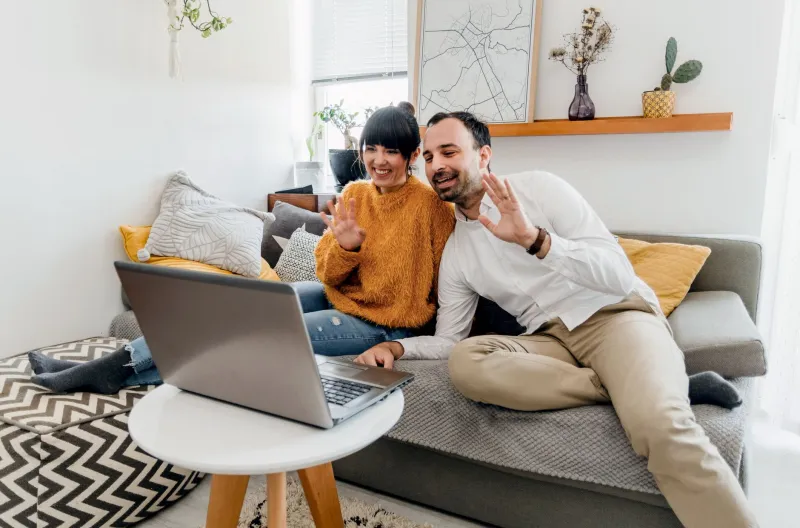
Sophia logs on every Sunday at 9 p.m. Eastern. Her boyfriend Marcus does the same — except he's in Portland, Oregon, which means it's only 6 p.m. for him and he's usually still finishing dinner. For the past eight months, their Sunday ritual hasn't been a movie watch-along or a video call dinner. It's been a photo edit session on WaveMyPic, and both of them will tell you, without much hesitation, that it's the thing keeping their relationship alive.
"It sounds kind of weird when you explain it to people," Sophia admits, laughing. "But there's something about working on the same image together — choosing the wave intensity, tweaking the color — that feels like we're actually in the same room."
They're not alone. Across the country, long-distance couples are quietly building a new kind of intimacy ritual around collaborative photo editing, and the trend is picking up real momentum.
Why Video Calls Aren't Enough Anymore
Anyone who's been in a long-distance relationship knows the particular exhaustion of the nightly FaceTime. You love the person. You want to see their face. But staring at a screen while you both run out of things to say — again — can start to feel hollow after a while. The connection is real, but the activity is passive.
That's the gap that shared creative work seems to fill. Dr. Renee Altman, a relationship therapist based in Chicago who works with a lot of couples navigating distance, has started noticing more clients mentioning collaborative digital hobbies as a stabilizing force.
"What couples need, especially long-distance ones, is a sense of shared experience and shared creation," she explains. "When two people are making something together — even something as simple as editing a photo — they're negotiating, they're responding to each other's taste, they're building something that didn't exist before. That's intimacy. That's the same mechanism that makes cooking together or redecorating a home feel bonding."
The difference now is that you can do all of that from 2,000 miles away.
The Edit as a Love Language
WaveMyPic's collaborative editing features — which let multiple users work on the same image in real time, see each other's cursor movements, and chat while they adjust filters — were originally designed with creative teams and small businesses in mind. But users found another use for them almost immediately.
Marcus, who works in graphic design, was the one who first suggested it to Sophia. "I kept using WaveMyPic for work projects and thinking, this would actually be really fun to do with her," he says. "We both love photography. We'd been texting each other pictures forever. This just felt like the next step."
Their process has evolved into something almost ritualistic. They each take photos throughout the week — mundane stuff, mostly, their commutes, their meals, something funny they spotted — and then on Sunday they pick a few favorites and edit them together. They've developed a shared aesthetic: high wave intensity on landscapes, softer ripple effects on portraits, a specific blue-toned filter they've started calling "our color."
"We have this whole visual language now," Sophia says. "I'll send him a photo during the week and just put a wave emoji and he knows exactly what I mean. It's like a shorthand."
That kind of shared symbolic language is exactly what attachment researchers point to as a marker of deep relational bonding. Dr. Altman calls it "couple culture" — the private rituals, references, and aesthetics that define a partnership.
What the Research Says About Creative Bonding
The science here is pretty compelling. Studies on creative collaboration consistently show that making something alongside another person — even something low-stakes — activates the same neural reward pathways as physical touch. You get a hit of oxytocin. You feel synchronized. And crucially, you feel seen, because the other person is responding to your choices in real time.
For long-distance couples, that kind of synchronicity is hard to manufacture. A text takes seconds to send and can be answered hours later. A video call is live, but it's still essentially just observation — you're watching each other exist, not doing anything together. Collaborative editing changes the equation because both people are actively responding to what the other is doing, in the moment.
"There's a responsiveness loop that happens," Dr. Altman explains. "One person nudges the wave effect up, the other reacts, they negotiate. That back-and-forth is emotionally nourishing in a way that passive communication isn't."
Real Couples, Real Results
Jamila and her partner Devon have been long-distance for nearly two years — she's in Atlanta, he's finishing a residency in Seattle. They started co-editing on WaveMyPic about six months ago after Jamila saw a TikTok about it.
"I was skeptical at first," Devon admits. "I'm not really a creative person. But Jamila walked me through it and now I actually look forward to it. We spend like an hour and a half on it sometimes. I think it's longer than most of our regular calls."
Jamila says the editing sessions have given them something to talk about in a way that open-ended catch-up calls sometimes don't. "When you're just talking, you kind of run out of things to say. But when you're editing, there's always something to react to. 'What if we tried this filter?' 'Do you like the wave stronger or softer?' It keeps the conversation going."
They've also started building an archive — a shared album of every photo they've edited together, organized by month. "It's like a scrapbook of our relationship," Jamila says. "Except we both made it. That feels really important."
Tips for Starting Your Own Co-Edit Ritual
If you're in a long-distance relationship and curious about trying this, here's what the couples we talked to recommend:
Start simple. Pick one photo, not ten. The goal in the beginning is to get comfortable with the collaborative interface and with each other's creative instincts. Don't overwhelm yourselves.
Set a regular time. The ritual matters as much as the activity. Having a standing weekly edit session gives you both something to look forward to and something to build on.
Let it be low-stakes. You're not producing professional content. You're hanging out together, digitally. The edit doesn't have to be perfect. It just has to be yours.
Save everything. Build that archive. Months from now, scrolling through a shared album of images you created together will feel like flipping through a photo album of your relationship — because it basically is.
Talk while you edit. Don't just silently adjust sliders. Explain why you're making a choice. Ask what they think. The conversation is the point.
Distance Is Real, But So Is This
Long-distance relationships are hard. Nobody's going to pretend a wave filter fixes that. But what Sophia, Marcus, Jamila, Devon, and couples like them are discovering is that the tools we use to connect matter — and that making something together, even something small, does something to a relationship that passive communication simply can't replicate.
"The distance doesn't go away," Sophia says. "But on Sunday nights, it kind of doesn't matter. We're just two people editing a photo together. And that feels like enough."
If your relationship could use a new ritual, it might be worth logging on and seeing what you can make together. Sometimes the wave you need is the one you build side by side.