From Purists to Converts: How Wave Editing Finally Won Over the Pros
The Old Guard Had Rules
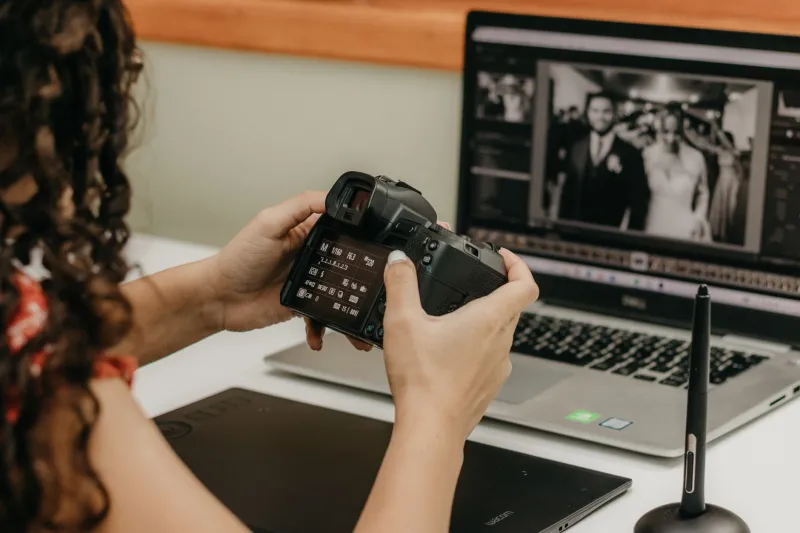
Ask any photographer who came up shooting film in the '90s what they thought about heavy digital editing, and you'll get a pretty consistent answer: it was cheating. The craft lived in the light, the lens, the moment you pressed the shutter. What happened after that was supposed to be invisible — a little dodging, a little burning, nothing that would make your old darkroom teacher raise an eyebrow.
That ethos stuck around longer than most people expected. Even as Instagram exploded, as presets became a cottage industry, and as entire aesthetics were built on layered filters, a significant chunk of working photographers — wedding shooters, portrait artists, commercial pros — kept their editing restrained and their opinions loud. Heavy effects were for amateurs. Wave edits were for kids with phones.
So what changed? Turns out, quite a lot.
Clients Started Asking First
Marcus Delray has been shooting portraits in Atlanta for over fifteen years. He built his reputation on clean, natural-light work — the kind of images that look like they belong in a magazine without ever screaming edited. Two years ago, a bride came to him with a mood board full of wave-treated reference photos she'd pulled from social media. She didn't want anything subtle. She wanted movement, texture, a visual energy that felt alive.
"I almost turned it down," he admits. "I told her I didn't really do that kind of work. She looked at me like I'd said I didn't own a computer."
He took the job. He experimented. And somewhere between the first draft and the final delivery, something clicked.
That story isn't unique. Across the country, photographers are reporting the same shift in client expectations. The couples booking wedding packages, the small business owners commissioning product shots, the families scheduling annual portraits — they're arriving with references that include wave effects, ripple overlays, and fluid distortion. They've seen it on feeds they follow. They want it for themselves. And photographers who can't — or won't — deliver it are starting to lose bookings.
The Pricing Conversation Got Complicated
Embracing wave editing didn't just change the creative side of things. It rewired the business model for a lot of photographers, too.
Sylvia Park, a commercial photographer based in Chicago who works primarily with food and lifestyle brands, started incorporating wave effects into her client packages about eighteen months ago. What she didn't anticipate was how quickly it shifted her pricing conversations.
"Wave edits take time," she says plainly. "People see the final image and think it's a slider you drag. It's not. Getting the effect to feel intentional — to feel like it belongs in the photo instead of sitting on top of it — that's a skill. It took me months to get it right."
She now offers tiered packages that separate standard retouching from what she calls "motion-style finishing," which includes wave and fluid effects. Some clients balk at the added cost. Most, she says, don't — especially once she shows them the before-and-after.
The broader industry is catching up. Photography forums that once dismissed wave editing as a gimmick are now full of threads asking for technique recommendations and software comparisons. The conversation has moved from should we to how do we.
'Authentic' Just Got a Rebrand
Here's where things get philosophically interesting. The traditional argument against heavy editing was always about authenticity — the idea that a photograph should represent what was actually there. Wave effects, by definition, distort reality. They add something that wasn't in the scene. So how are photographers who built careers on "honest" imagery making peace with that?
For many of them, the answer involves rethinking what authenticity actually means in a visual context.
"I used to think authentic meant unaltered," says Jordan Fiske, a documentary-style portrait photographer in Portland, Oregon. "Now I think it means emotionally true. If a wave effect makes a photo feel the way the moment actually felt — chaotic, or dreamy, or electric — then it's more authentic than a clean shot that looks technically perfect but feels like nothing."
That's a significant philosophical pivot, and not everyone is comfortable making it. There are still photographers who draw a hard line, particularly in photojournalism and documentary work where the integrity of the image carries legal and ethical weight. But in commercial, portrait, and lifestyle photography, the line is blurring fast.
The Learning Curve Is Real — and Worth It
One thing working photographers are consistently honest about: wave editing has a steeper learning curve than most people assume. Platforms like WaveMyPic have made the tools accessible to everyday users, but translating accessibility into professional-grade results requires a different level of intentionality.
The photographers who've made the transition successfully tend to share a few things in common. They treated it like learning any other skill — slowly, with a lot of failed experiments along the way. They studied how wave effects interact with different types of source images. They paid attention to what makes an effect feel earned versus what makes it feel slapped on.
"The worst wave edits I've seen look like someone discovered the tool and used it on everything," Delray says. "The best ones feel like the wave was always supposed to be there. That takes restraint. That takes taste. That's the same thing it's always taken to be a good photographer."
What This Means for the Next Generation
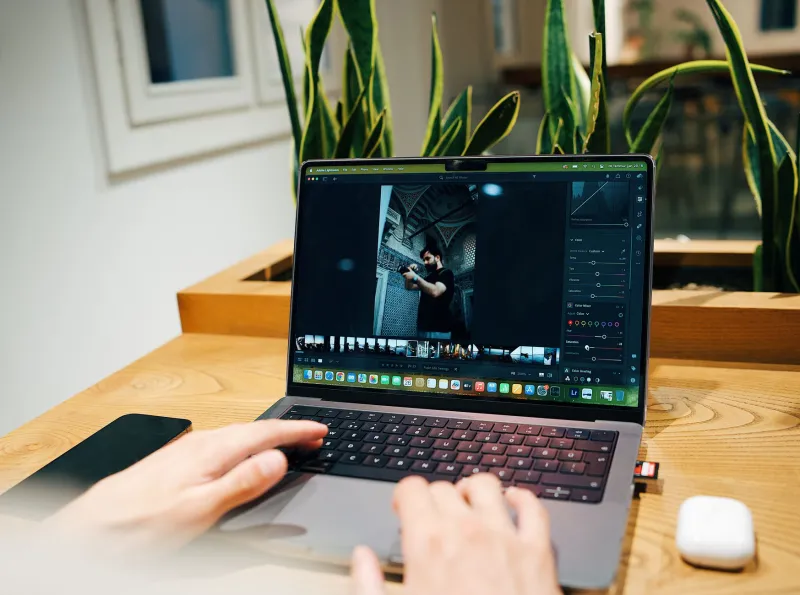
Young photographers entering the industry now don't carry the same baggage about editing. For them, wave effects aren't a departure from traditional craft — they're just another tool in a kit that already includes Lightroom, Photoshop, and a dozen other pieces of software. The debate their predecessors are still having feels, to many of them, a little beside the point.
What's interesting is that the veterans making the transition aren't being replaced by this generation — they're being pulled toward it. The demand is coming from clients who grew up watching effects-heavy content, and the photographers who want to serve those clients are adapting.
The result is an industry that looks genuinely different than it did five years ago. Wave editing isn't a fringe aesthetic anymore. It's a professional skill set, a line item on a quote, and increasingly, a baseline expectation.
The purists haven't disappeared. But they're a lot quieter than they used to be.