The Control Paradox: How Tweaking Your Photos Actually Makes You Less Scared to Post Them
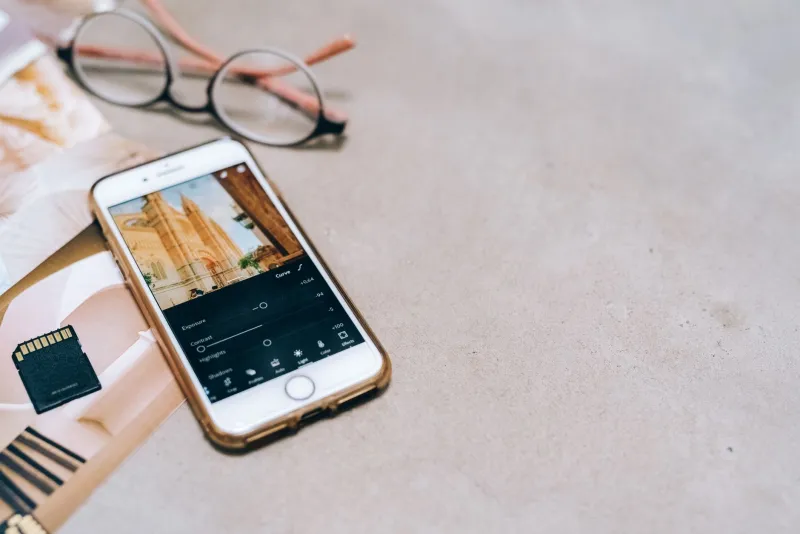
Most people assume the anxiety spiral around posting photos gets worse the longer you stare at them. You zoom in, you second-guess, you close the app and reopen it four times. But a growing body of research — and a pretty telling pattern among regular photo editors — suggests something more interesting is going on when people have real creative control over how their images look before sharing.
Specifically, the kind of hands-on, granular editing that wave-effect tools offer seems to flip the script entirely. Instead of spiraling, users who actively customize their images — adjusting flow, intensity, ripple depth — report feeling calmer and more confident when it's finally time to post. It's not about vanity. It's about agency.
Why Vulnerability and Control Are Always in Conversation
Dr. Melissa Tran, a social psychologist at a research university in Austin, Texas, studies how perceived control influences risk-taking behavior online. She puts it plainly: "When people feel like they've had a hand in shaping how they're represented, they experience what we call 'ownership confidence.' The image stops feeling like raw exposure and starts feeling like a curated expression of self."
That distinction matters enormously on social media, where the act of posting a photo is essentially an invitation for public judgment. The vulnerability isn't imaginary — comments, likes, and algorithmic reach are all real feedback signals. What editing does, Tran explains, is create a psychological layer between the person and the post. "You're no longer just sharing a moment. You're sharing a version of that moment that you actively shaped. That's a fundamentally different emotional experience."
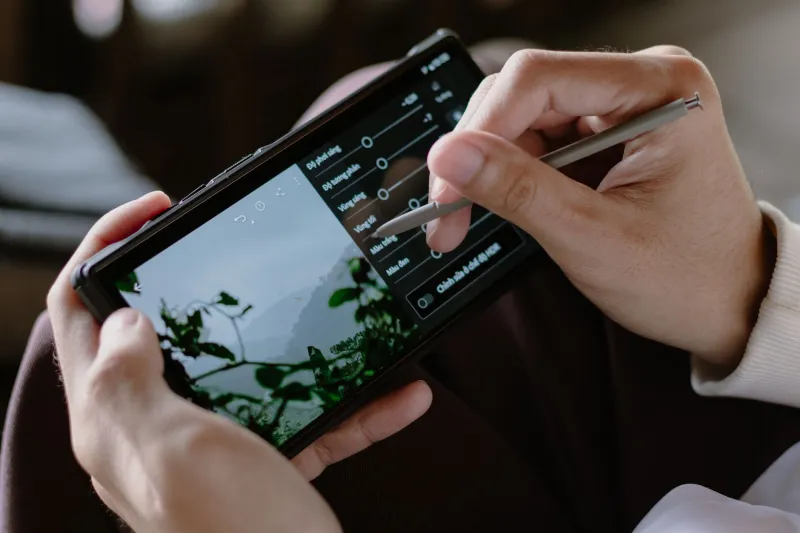
Wave editing, in particular, seems to amplify this effect because of how tactile and iterative the process is. You're not just slapping a preset on a photo and calling it done. You're pulling sliders, previewing changes, and making micro-decisions that accumulate into something that feels genuinely yours.
The Buffer Effect in Practice
Jamie, a 27-year-old teacher and part-time content creator based in Portland, Oregon, started using wave effects about a year ago mostly for aesthetic reasons. But she noticed something unexpected pretty quickly.
"Before, I'd take a photo and just feel this dread about posting it," she says. "Like, is this good enough? Does it look weird? Now I spend maybe ten minutes editing — playing with the wave distortion, adjusting how the light ripples — and by the time I'm done, I'm actually excited to share it. The anxiety just kind of... dissolves."
She's not alone. A casual survey of WaveMyPic users found that a significant majority reported feeling less nervous about sharing photos after spending time on detailed edits compared to posting minimally edited shots. The counterintuitive part? Many admitted the final edited image wasn't dramatically different from the original. The process itself was doing the heavy lifting emotionally.
This aligns with what behavioral researchers call the "IKEA effect" — the well-documented tendency for people to place higher value on things they've had a hand in creating. Apply that to self-representation online, and the math starts to make sense. The more effort you invest in shaping an image, the more it feels like an accurate extension of you rather than a random snapshot that could be misread or judged out of context.
When Perfection Isn't the Point
Here's where it gets nuanced. The anxiety-reducing effect of wave editing doesn't seem to come from achieving some objective standard of "perfect." Social media researcher Dr. Carlos Ibáñez, who has studied image-sharing behavior across platforms, points out that the goal-post for perfection is always moving — and chasing it tends to increase anxiety, not reduce it.
"What we're seeing with detailed editing tools is different," he says. "It's not about reaching a finish line. It's about the process of engagement itself. When someone is actively making choices — this much wave, this direction, this intensity — they're exercising judgment. And exercising judgment builds confidence."
In other words, the act of deciding is the thing that helps. Even if your final wave edit looks almost identical to the original photo, the fact that you chose it — rather than defaulting to it — changes how you feel about sharing it.
This has real implications for how we think about photo editing tools and mental health. The narrative around filters and editing has often focused on the negative: unrealistic beauty standards, distorted self-image, performative perfectionism. And those concerns are legitimate. But the story is more complicated when the tool in question is one that invites genuine creative participation rather than just one-click transformation.
The Difference Between Editing and Hiding
Not all editing creates this buffer effect equally. Tran draws a distinction between edits that feel like enhancement versus edits that feel like concealment. "When someone is using an editing tool to erase something they're ashamed of, the anxiety doesn't go away — it just gets redirected. They're still operating from a place of fear about how they'll be perceived."
Wave editing tends to land on the enhancement side of that line for most users, because the effect is stylistic rather than corrective. You're not trying to look like a different person. You're adding a visual signature, a creative layer that says something about your aesthetic sensibility. That's a very different psychological transaction.
Jamie puts it in simpler terms: "It feels like I'm adding something rather than hiding something. That's a big deal for how I feel about posting."
Practical Takeaways for Anxious Posters
If you've been white-knuckling your way through the post button, there's actually a strategy here worth trying. Rather than minimizing your time in the editing process — which might seem like the logical way to reduce overthinking — consider leaning into it deliberately.
Give yourself permission to experiment with wave intensity, direction, and layering without committing to anything. Treat the editing session as a creative exercise rather than a race to a finished product. Research suggests that this kind of low-stakes exploration is exactly the kind of activity that builds the ownership confidence Tran describes.
The goal isn't a technically flawless image. It's an image that feels like yours — one you made a series of conscious choices about. That sense of authorship is, apparently, one of the most effective antidotes to the vulnerability hangover that keeps so many of us hovering over the post button.
So next time you're dreading the share, don't rush through the edit. Ride the wave a little longer. Your nervous system might actually thank you.